

Our philosophy
Nobody should walk alone.
Camino is a Spanish word meaning way, path, journey. It is not a destination. It is the act of going — with intention, with companions, through whatever the road holds.
This is how we understand our work. Not as the management of decline, but as the accompaniment of a person through one of life's most significant passages.
The path

Birth
Living
Later years
Passing
Beyond
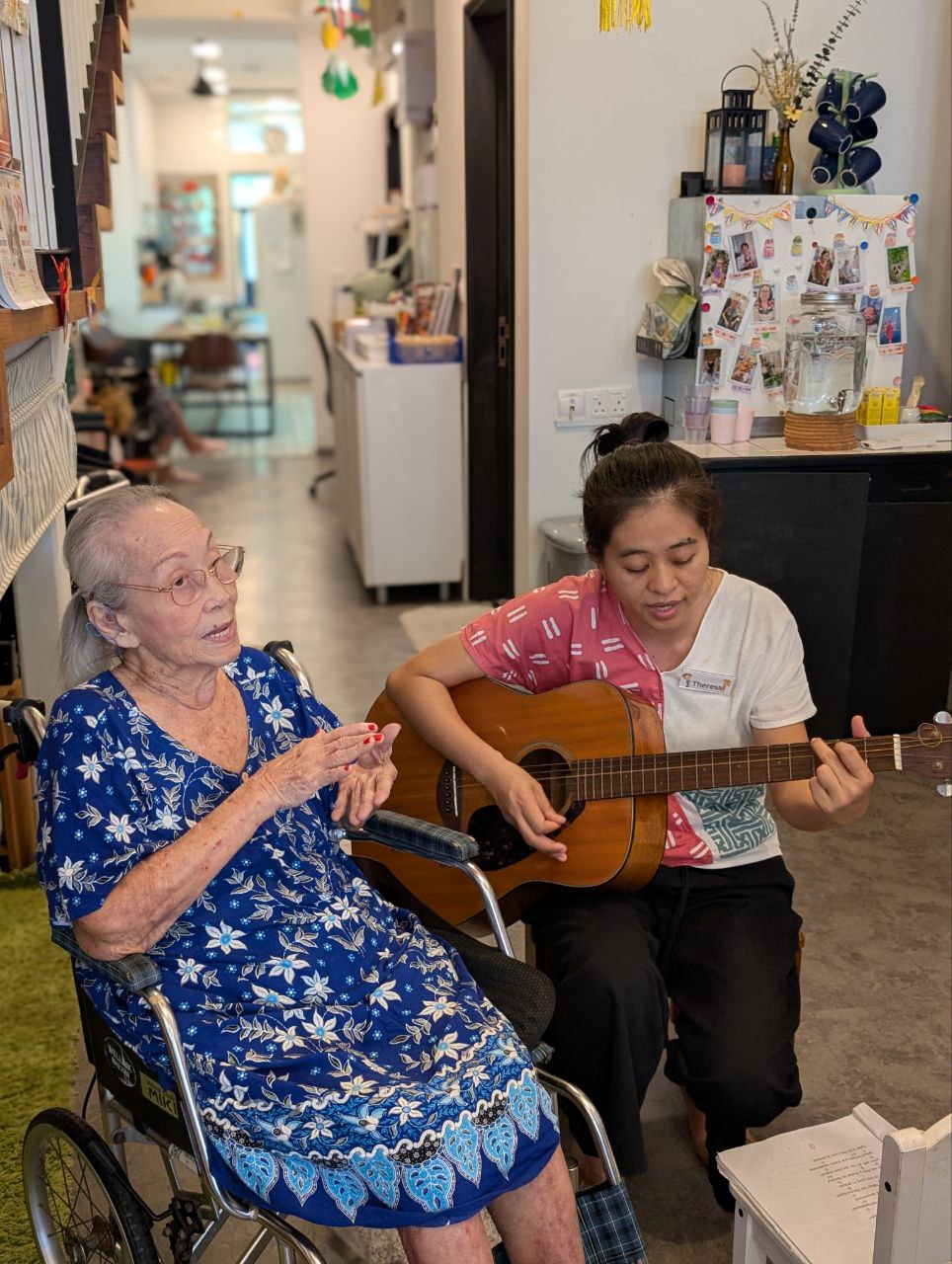
"No words can truly express how grateful I am for the efficient and loving care that my sister has received in the 3 years she has been at Camino House. It is a home away from home."
Maureen T., FAMILY MEMBER OF CAMINO HOUSE RESIDENT
What we believe
On ageing and what it asks of us
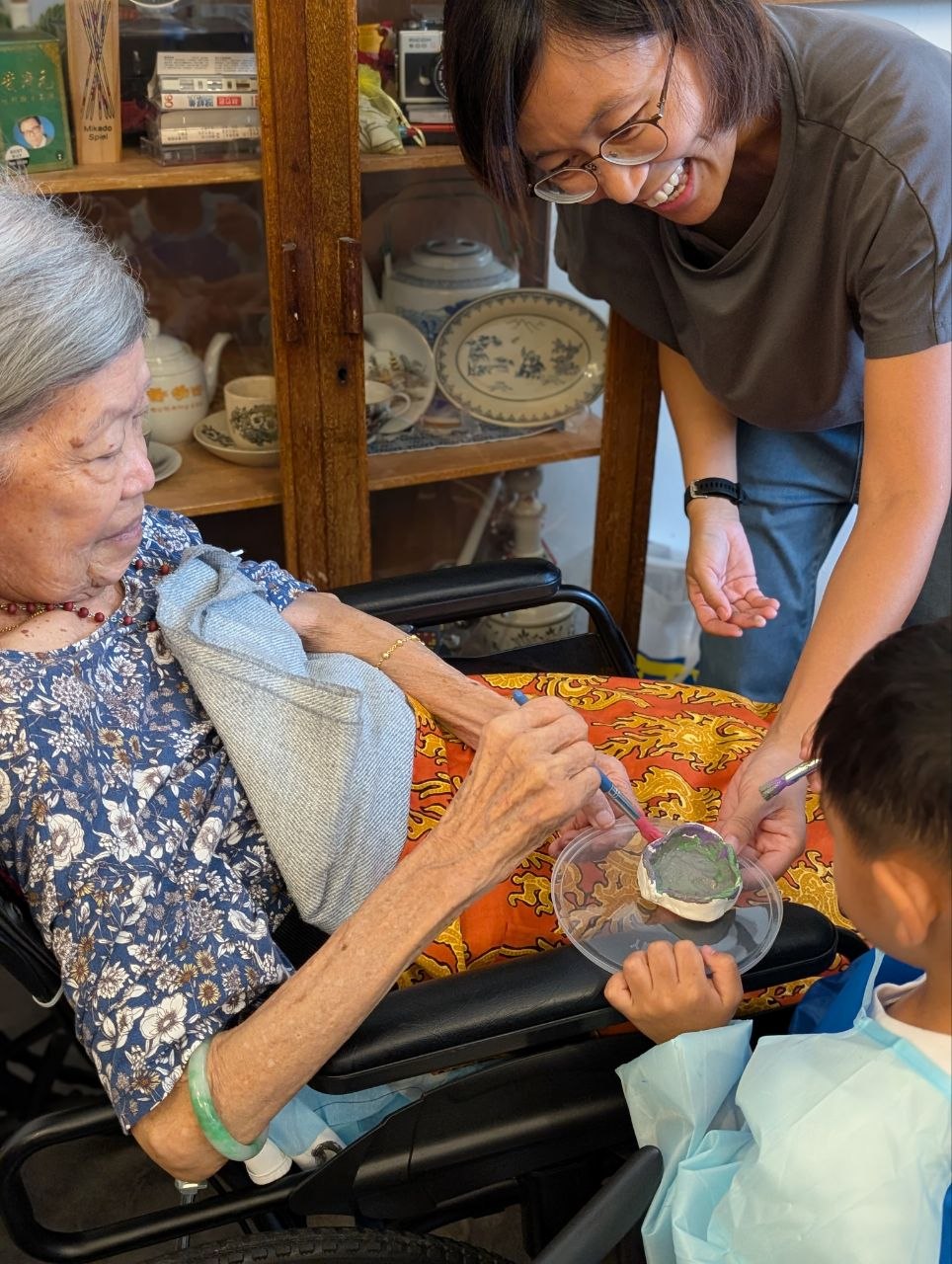
We live in a culture that is not always comfortable with old age — that tends to manage it quietly, behind walls, at a remove from ordinary life. We have chosen to do something different.
We believe the later years of a life deserve the same presence, the same attention, the same richness as any other chapter. Not preservation. Not entertainment. Genuine accompaniment — the kind that does not flinch from difficulty or from the approach of death, but meets it with steadiness and love.
On community

The house that opens its doors
Isolation is one of the great harms of institutional care. Once a person crosses the threshold of a facility, they can lose their place in the fabric of ordinary life — the chance encounters, the mixed generations, the sense of belonging to a neighbourhood.
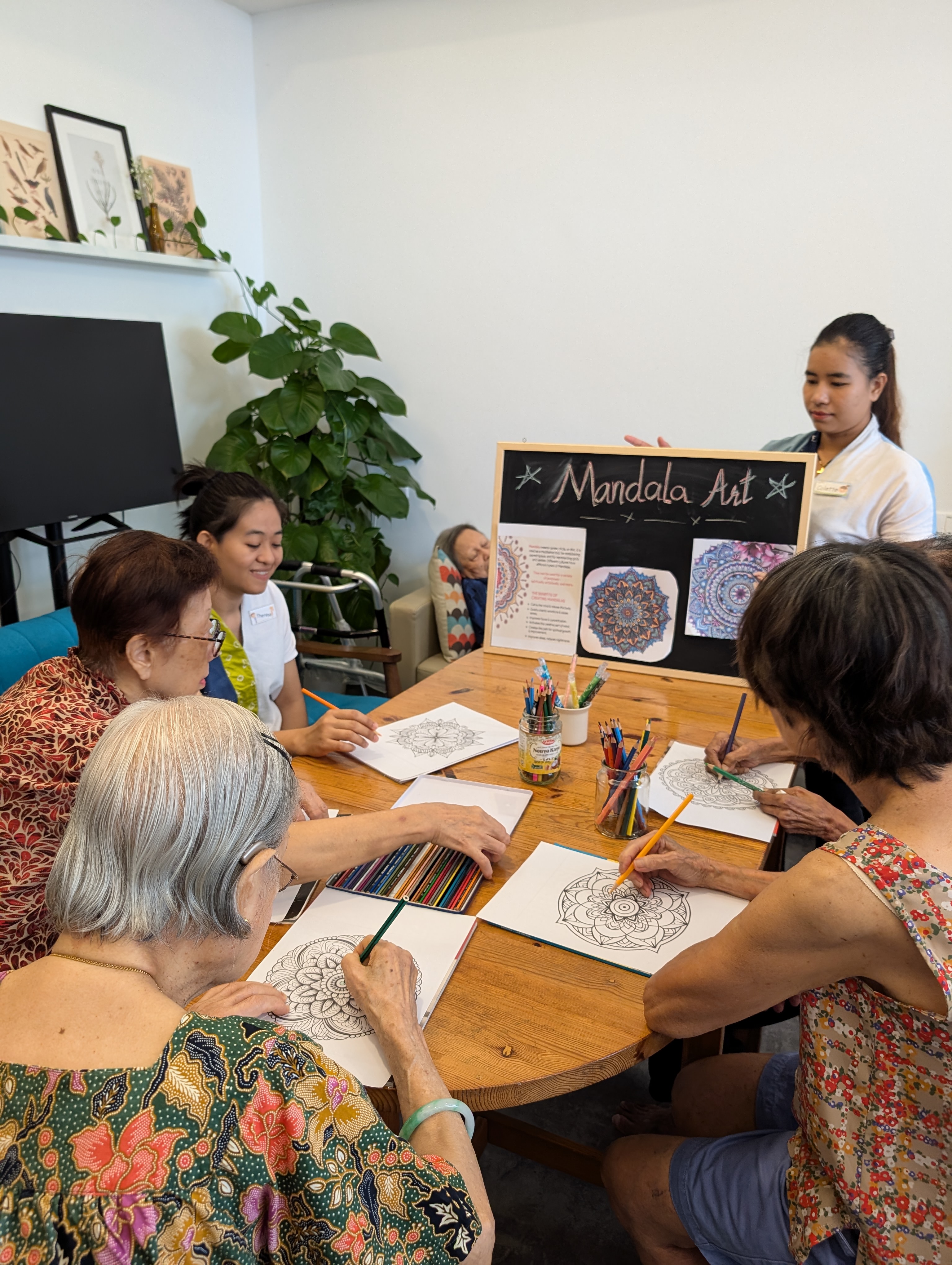
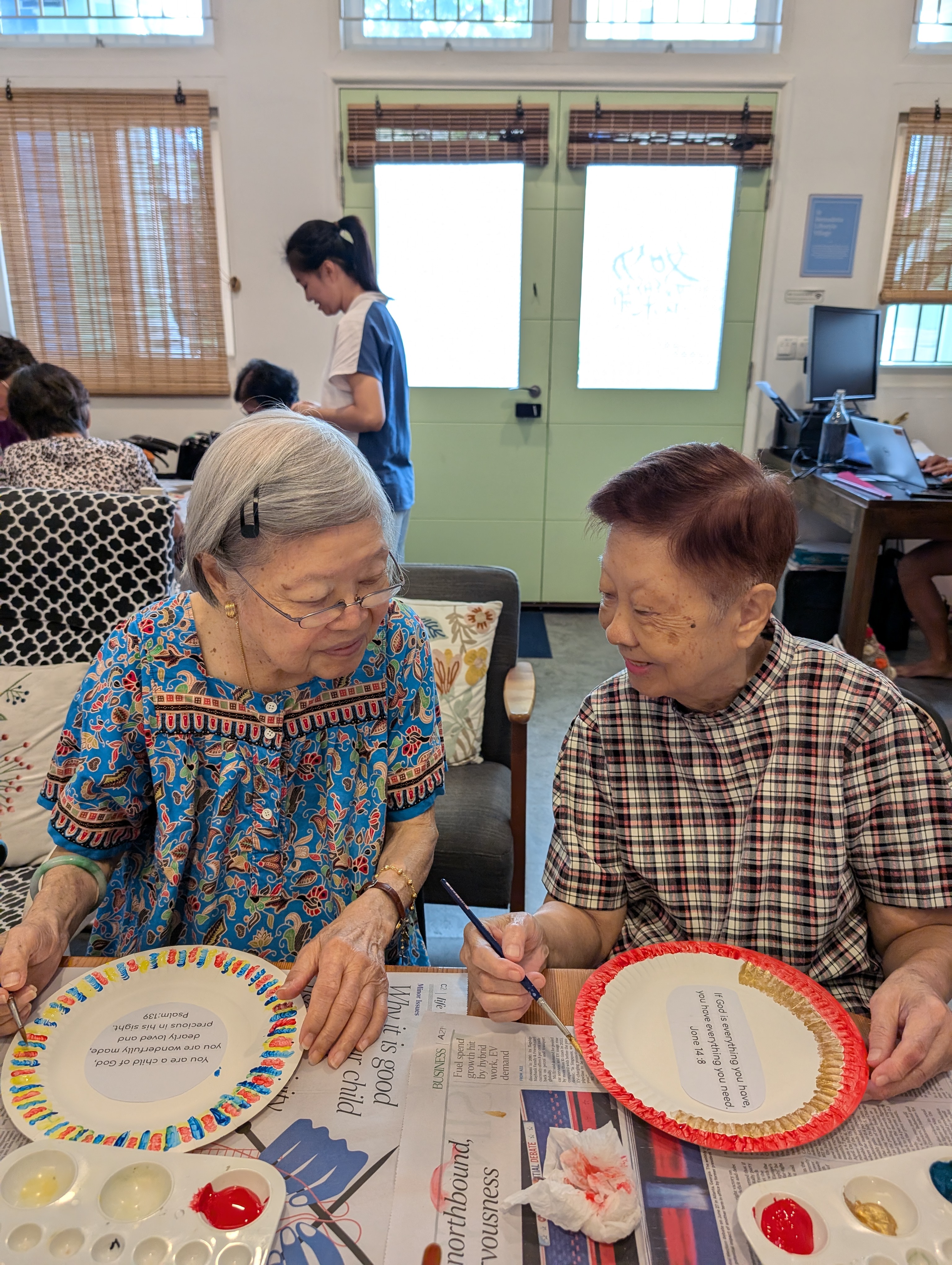
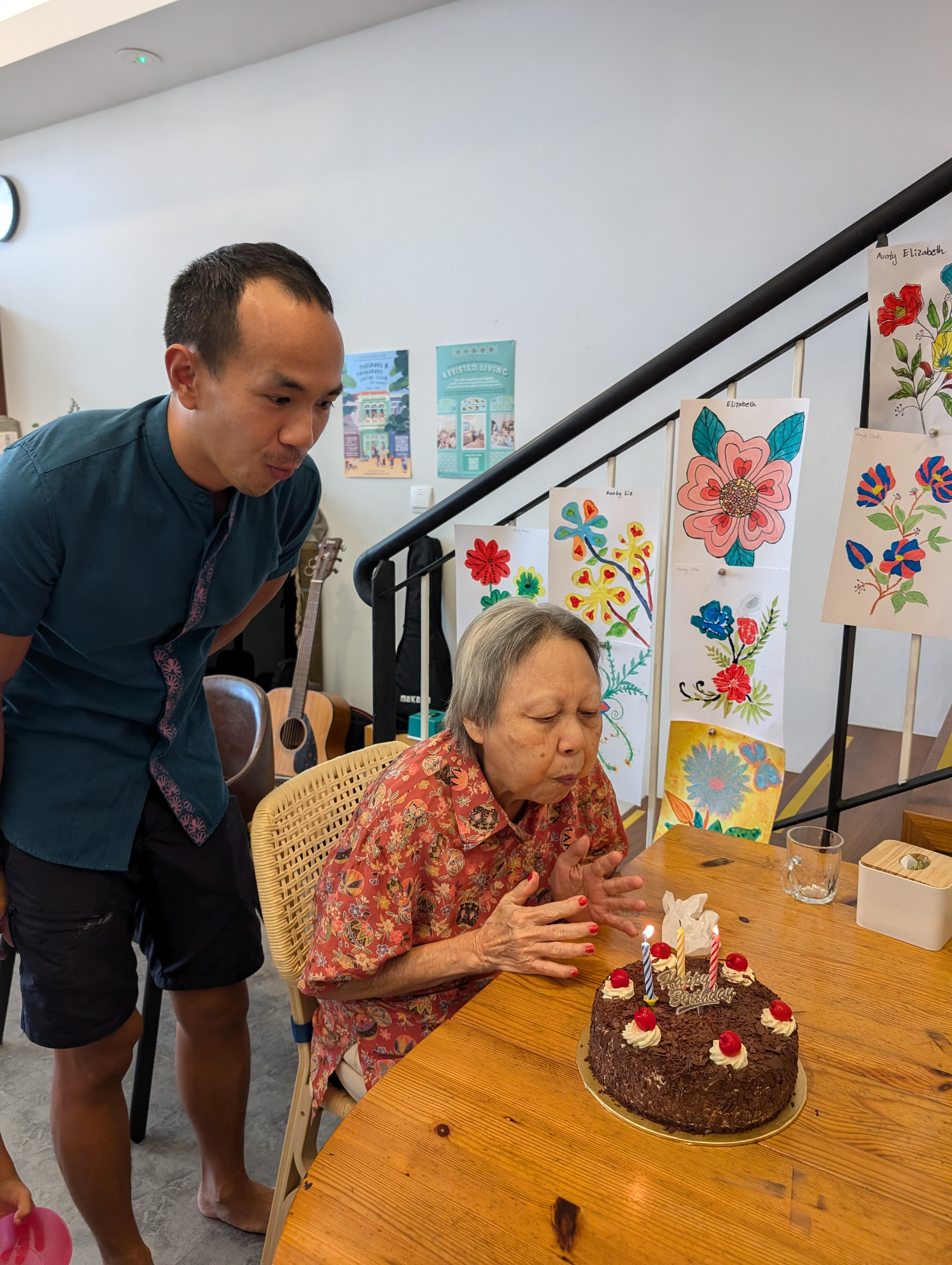
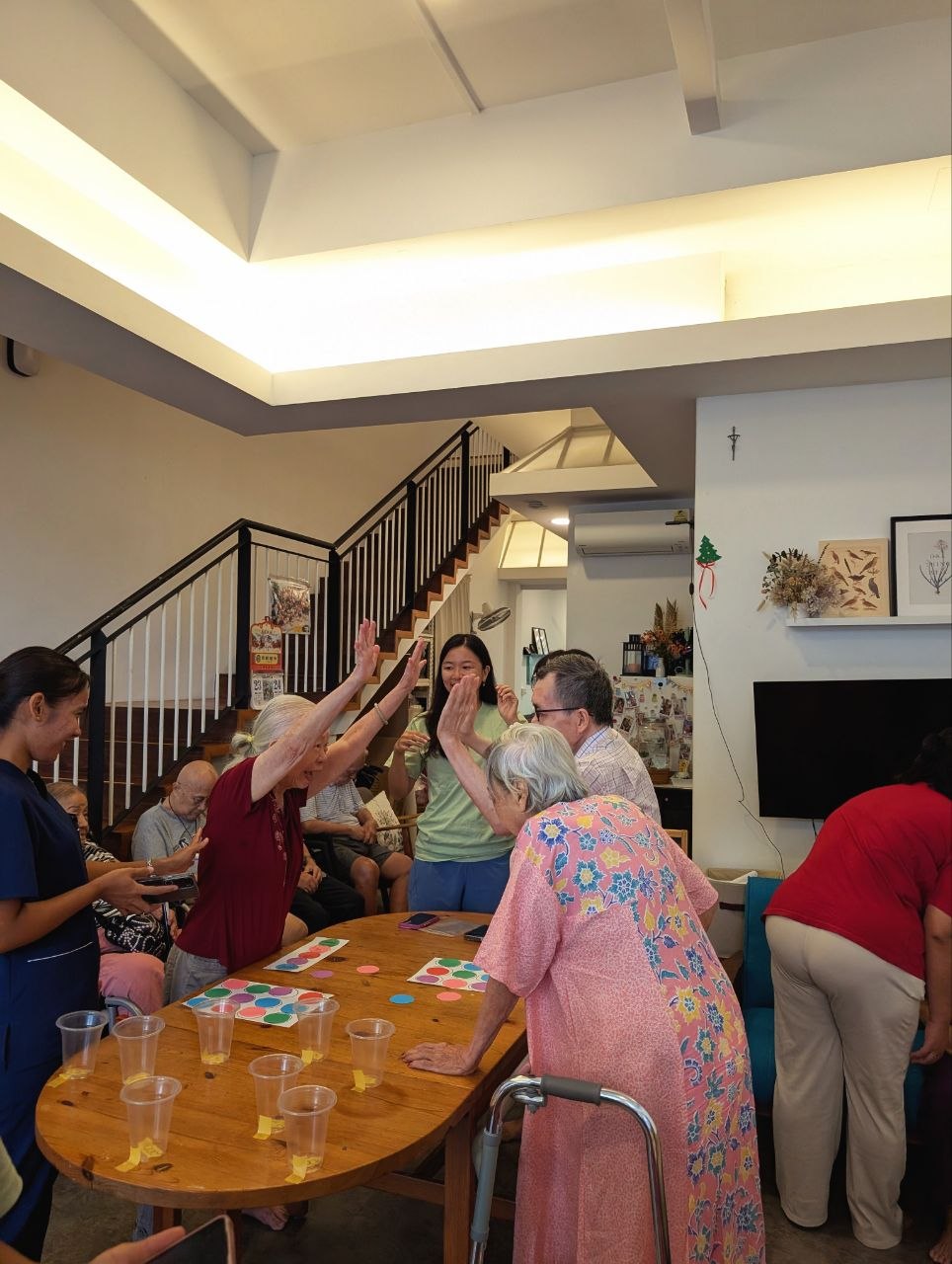
Camino House refuses this separation. Every home we open has a community at its heart — a space that welcomes the street in. Children come. Young volunteers come. Seniors from the neighbourhood who do not live here come for the company. The residents are members of a household that happens to be part of something larger.
On care
Holistic, not merely clinical
We take physical health seriously — medication, nursing oversight, safety. These are not optional. But they are not the whole of care.
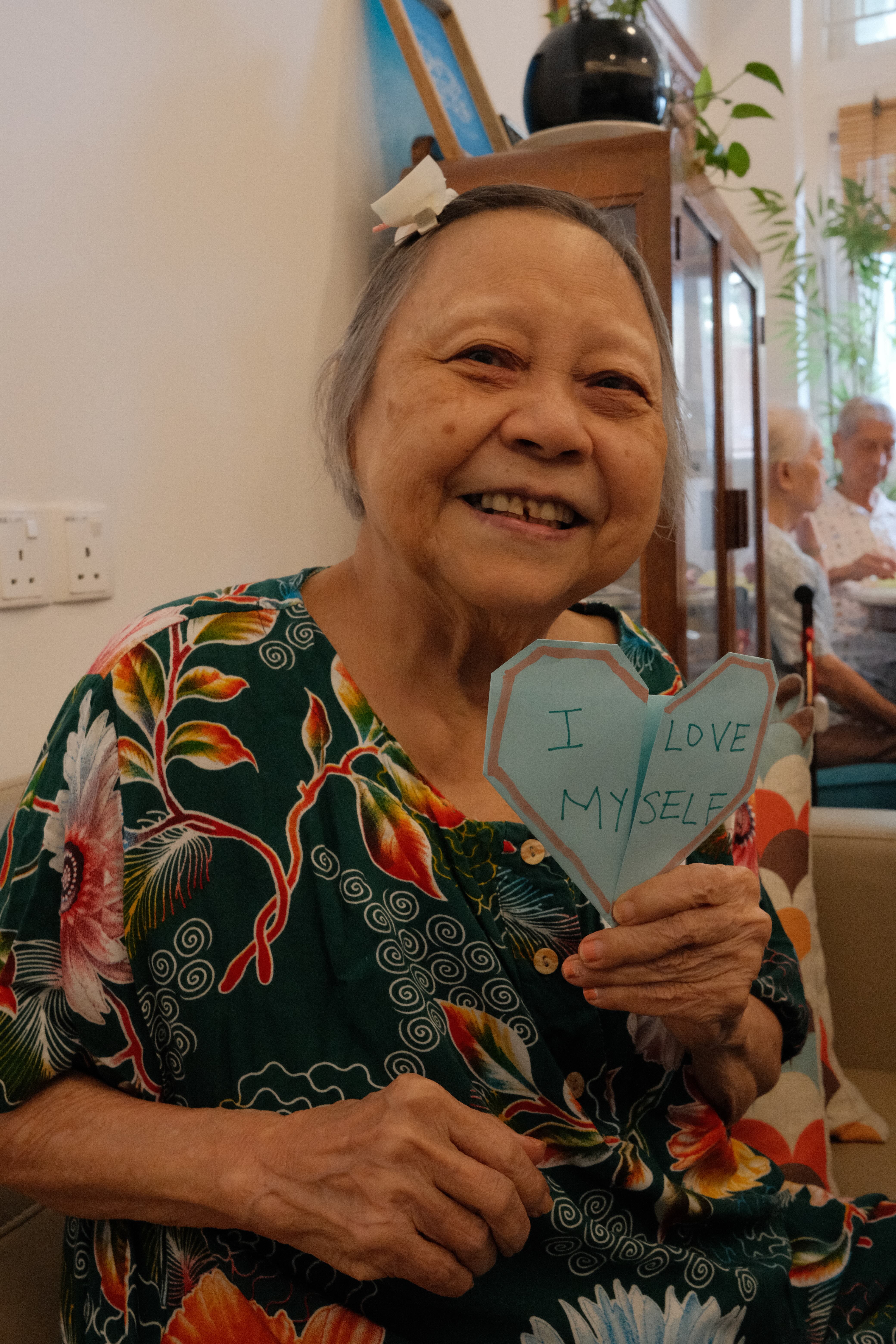
The whole of care includes: being known by name, having preferences remembered, being asked rather than told, keeping some choices even when the body narrows them. It includes spiritual accompaniment for those who want it, and the quiet acknowledgement that death is part of the journey, not a failure of the system.
We describe our approach as holistic because we mean it literally — the whole person, attended to. Physical, social, emotional, spiritual.
On staff
We are on
the journey too
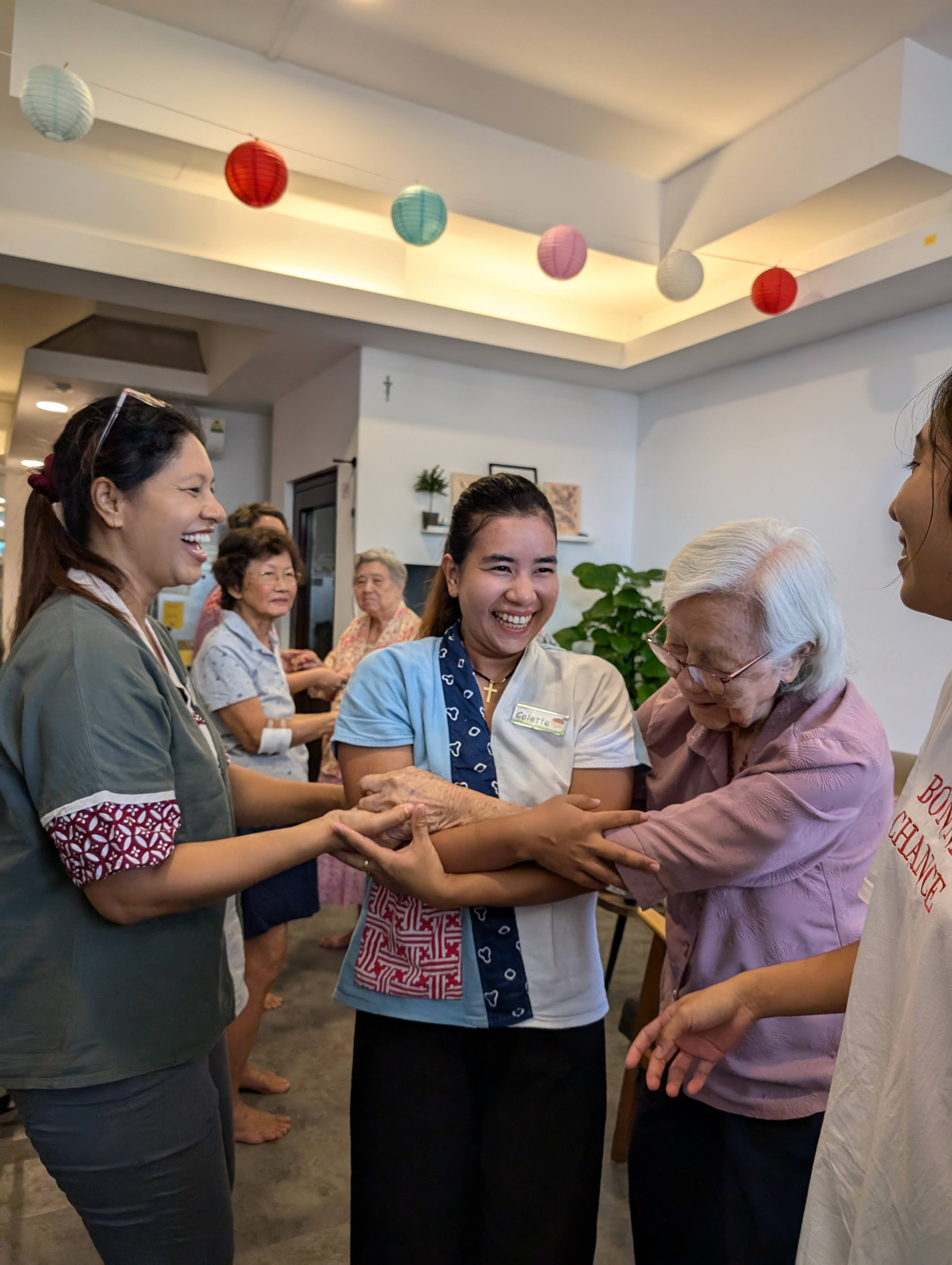
The people who work at Camino House are not service providers. They are companions. They eat with the residents. They sing their favourite Mandarin or Cantonese songs. They know their stories. They grieve when someone passes.
We invest in our staff not just as employees but as people — because the quality of care given depends entirely on whether the people giving it feel seen, supported, and purposeful. A Camino House is only as good as the people walking it.
On the spiritual
Faith, welcome here
Camino House was born from a faith tradition, and that shapes our understanding of human dignity, of death, and of what care is ultimately for. But we are not a religious institution — residents and families of all beliefs and none are equally at home here. What we bring is not doctrine but a certain seriousness about the sacred dimensions of life.
On the end of life
Dying, not managed away
We do not use euphemisms. Death comes to everyone who lives at Camino House, as it comes to everyone. Our work is to ensure that when it comes, the person is known, accompanied, and not alone — and that their family is held through it. This is not a morbid orientation. It is the most honest expression of what it means to care.
The four waypoints
How we think about the journey
We orient our care around four moments that every person moves through in the later years — a way of staying attentive to where someone is, and what they need from us there.
1
Arrival
Leaving home. The grief and adjustment of crossing a threshold into a new chapter — accompanied with patience.
2
Belonging
Becoming part of the household. Finding one's place, routines, and companions in the community.
3
Rest
The slowing. The body narrowing, the world becoming smaller and more interior. Being met there without rush.
4
Onward
The passage. Accompanied, unhurried, with the household present. And the family held long after.
Begin here
If this resonates, come and see us.
Philosophy is words on a page. What makes Camino House real is the people, the spaces, the rhythm of an ordinary day.
A journey, together · muein
Community-based care · Singapore · stay@caminohouse.com